BLOG

The Stages of Tooth Decay

5 / 06 / 2025

Tooth decay is one of the most common dental problems worldwide, yet it's also one of the most preventable. At Modbury Dental Practice, we believe that understanding the stages of tooth decay is the first step in protecting your smile for life. In this blog post, we’ll guide you through the five stages of tooth decay, how to spot the warning signs, and most importantly, what you can do to prevent and treat it.

GET IN TOUCH

stages of tooth decay

The Stages of Tooth Decay: Prevention and Treatment

Tooth decay is one of the most common dental problems worldwide, yet it’s also one of the most preventable. At Modbury Dental Practice, we believe that understanding the stages of tooth decay is the first step in protecting your smile for life.

In this blog post, we’ll guide you through the five stages of tooth decay, how to spot the warning signs, and most importantly, what you can do to prevent and treat it.
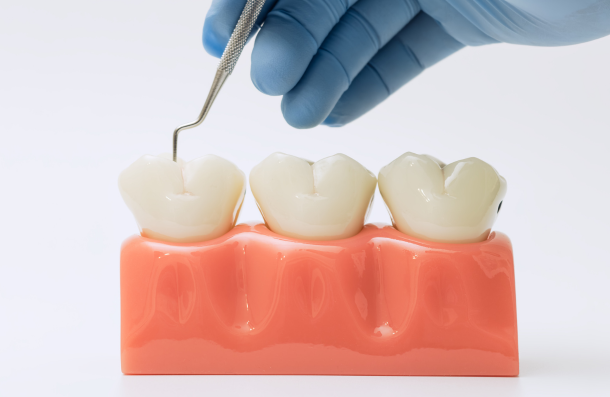
Firstly: What is tooth decay?

Put simply, tooth decay is what happens when disease takes hold inside your tooth.

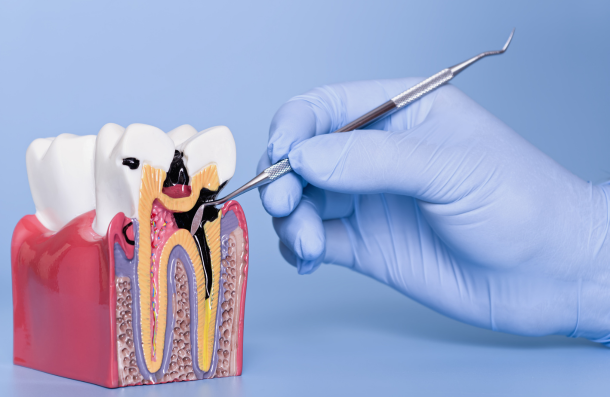
This happens when the tooth’s surface is weakened enough for a hole to develop, allowing bacteria to break through your enamel – the tough outer layer of your teeth – and enter the inner layers, the dentine and the pulp.

These holes are known as cavities.

What Causes Cavities?

Cavities develop when plaque—a soft, sticky film that forms on the surface of your teeth—is allowed to build up. This film contains millions of bacteria that feed on food particles left behind after eating. As they break down these particles, they produce acids that gradually erode tooth enamel.

While certain medical conditions, medications, and even drinking bottled water without fluoride can increase your risk, the biggest contributor to cavities is a diet high in sugar and refined carbohydrates. Bacteria in plaque thrive on sugary and starchy foods like fizzy drinks, sweets, cakes, fruit juice, and dried fruit. The more sugar and starch you consume, the more acid these bacteria produce—speeding up the breakdown of your enamel.

The good news? Cavities are largely preventable. Brushing and flossing regularly removes plaque before it can cause harm, helping to protect your teeth from decay.

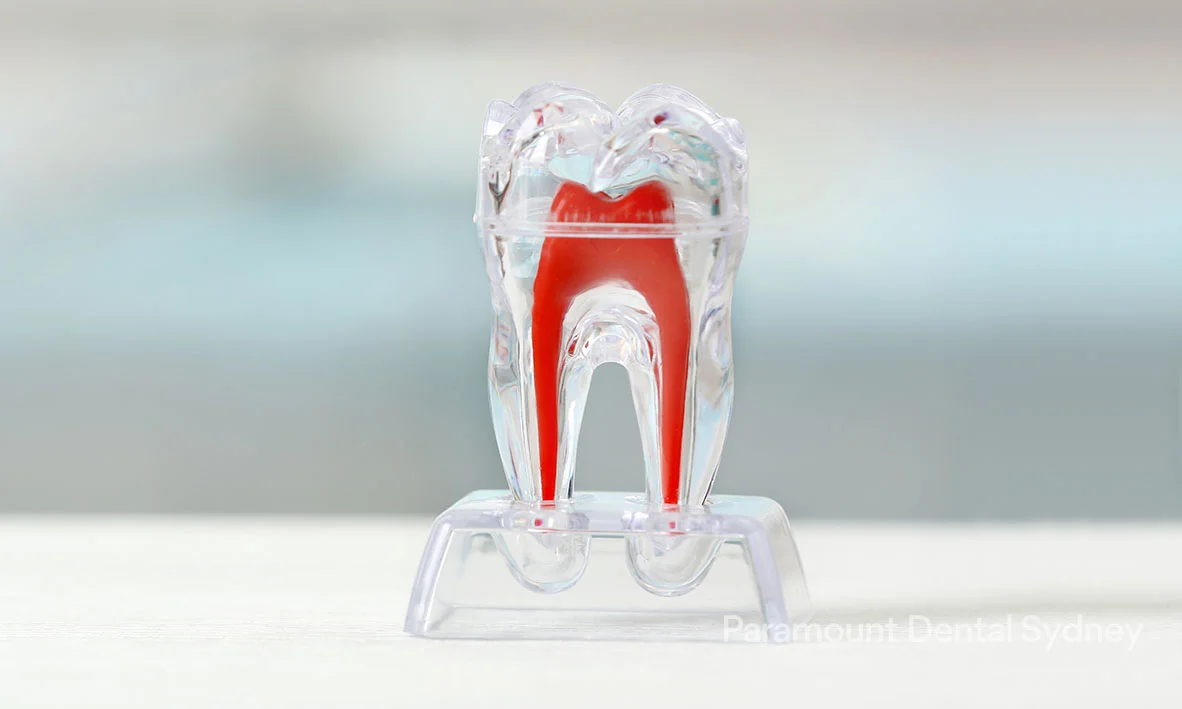
Tooth decay shown on a model

Understanding tooth decay

To understand the stages of tooth decay, let’s look at the different layers of the tooth that it can affect.

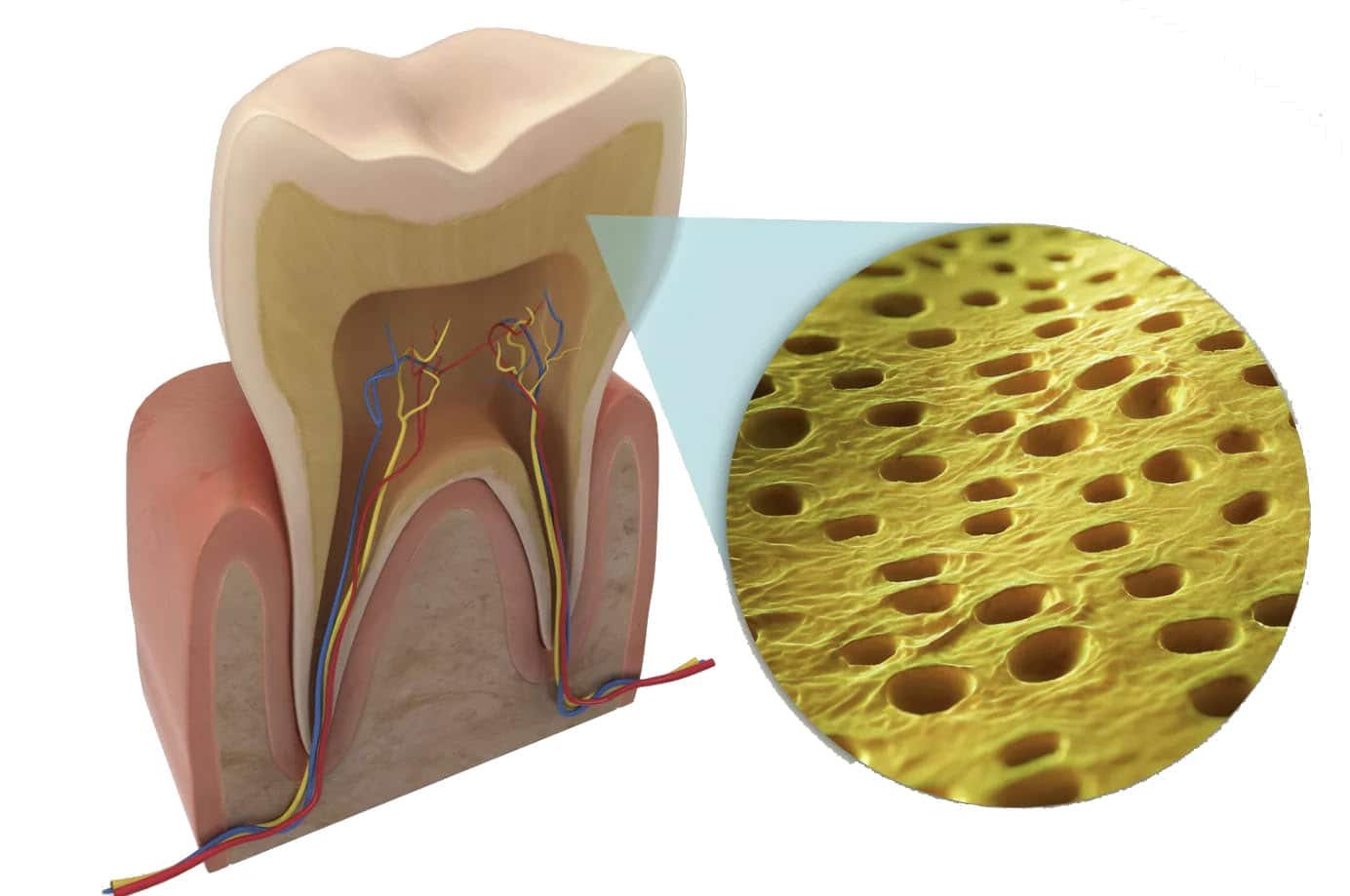
Teeth have three layers: enamel, dentine and pulp.

tooth enamel

Enamel

Enamel is the outer layer of the tooth. It is the white coating you see, and it is the hardest substance in the human body. Its job is to protect the soft, sensitive inside of the tooth.
Dentine

Dentine is a yellow-coloured layer that sits beneath the enamel. Dentine is softer and more porous than enamel, with lots of tiny tubes that lead to the inside of the tooth.
The pulp

The pulp is the soft and vulnerable innermost layer, made of nerve tissue and blood vessels.
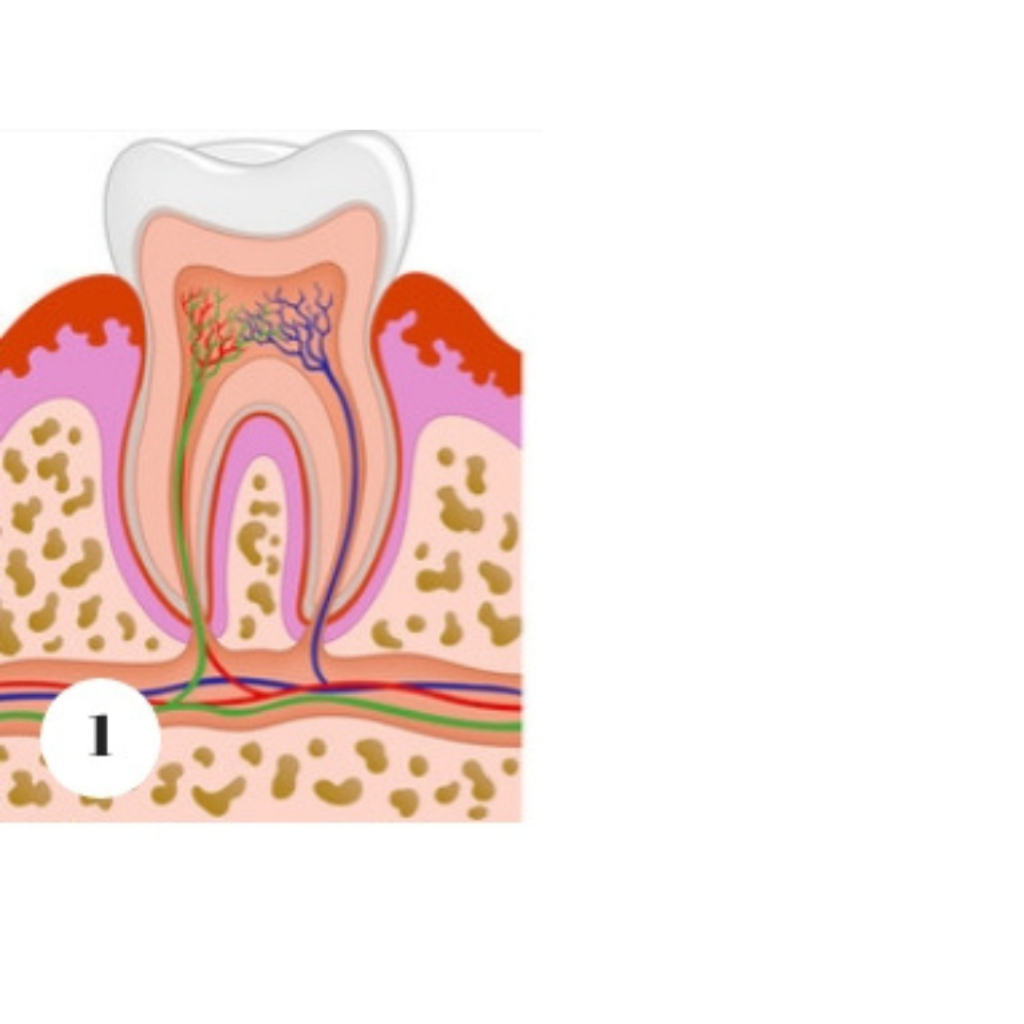
Decay starts at the enamel and if untreated, progresses through to the dentine and then the pulp.

As decay progresses it becomes more painful and harder to treat. Catching it early will save you a lot of discomfort and expense.

Stage 1: Demineralisation

The first stage of tooth decay is the formation of a small brown or white mark – or lesion – on the enamel.  You probably won’t be able to see it, and it won’t be visible on an x-ray, but your dentist will easily spot it. At this stage, there is no pain, and the damage is reversible with proper oral care and fluoride treatment.

What You Can Do:

  • Brush twice daily with fluoride toothpaste
  • Floss daily
  • Use fluoride mouthwash or receive fluoride treatments at your dental check-ups.
stage 1 of tooth decay diagram

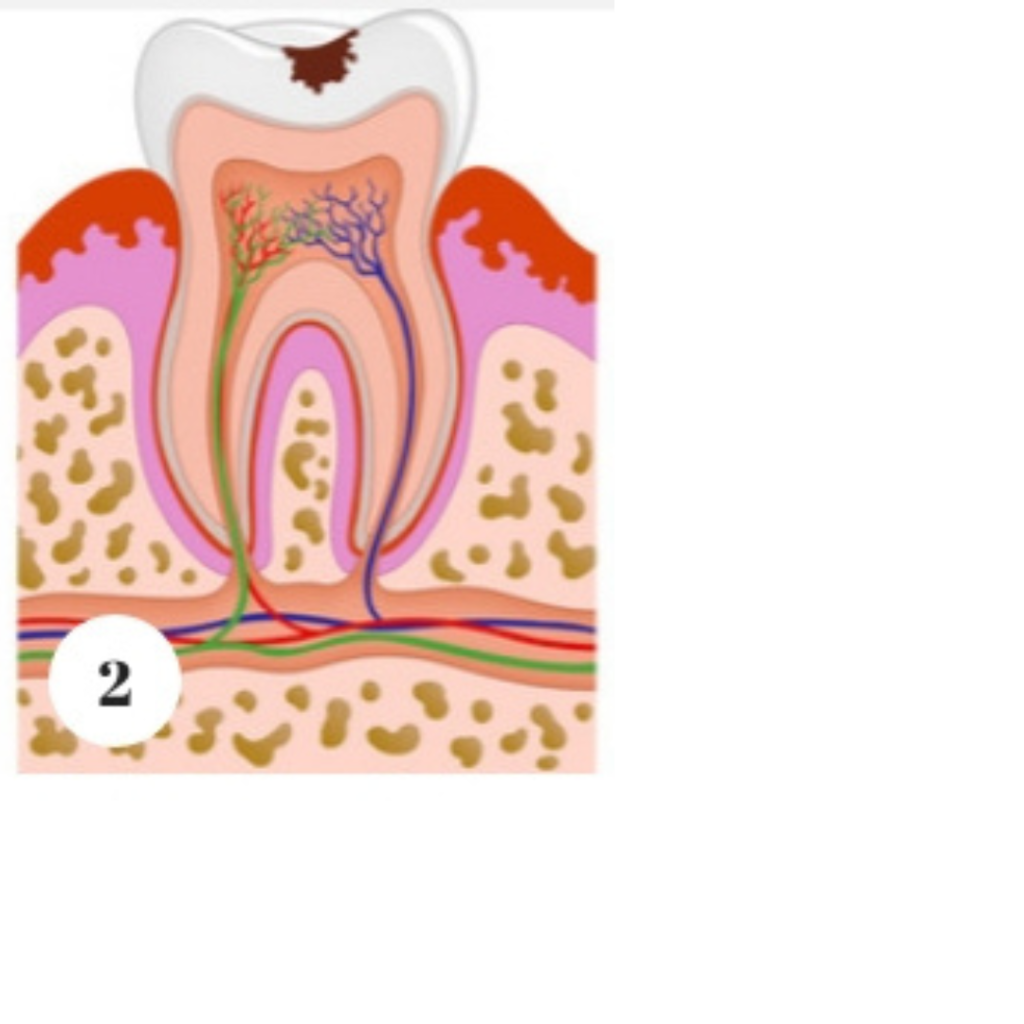
Stage 2: Enamel Decay

If an enamel lesion is left untreated, the demineralisation progresses into enamel decay, forming small cavities or holes. You may or may not start to notice sensitivity to sweets, cold, or hot drinks.

In Stage Two, the damage is no longer superficial. Your dentist will be able to see how deep the cavity is by taking an x-ray.

If your tooth decay has reached this stage, it won’t be possible to reverse it, as the body can’t regrow tooth enamel. But your dentist will be able to stop it from going even deeper and making things much worse.

Treatment:

  • Small cavities can usually be treated with a dental filling
  • Early intervention can prevent the decay from progressing to deeper layers
stage 2 of tooth decay

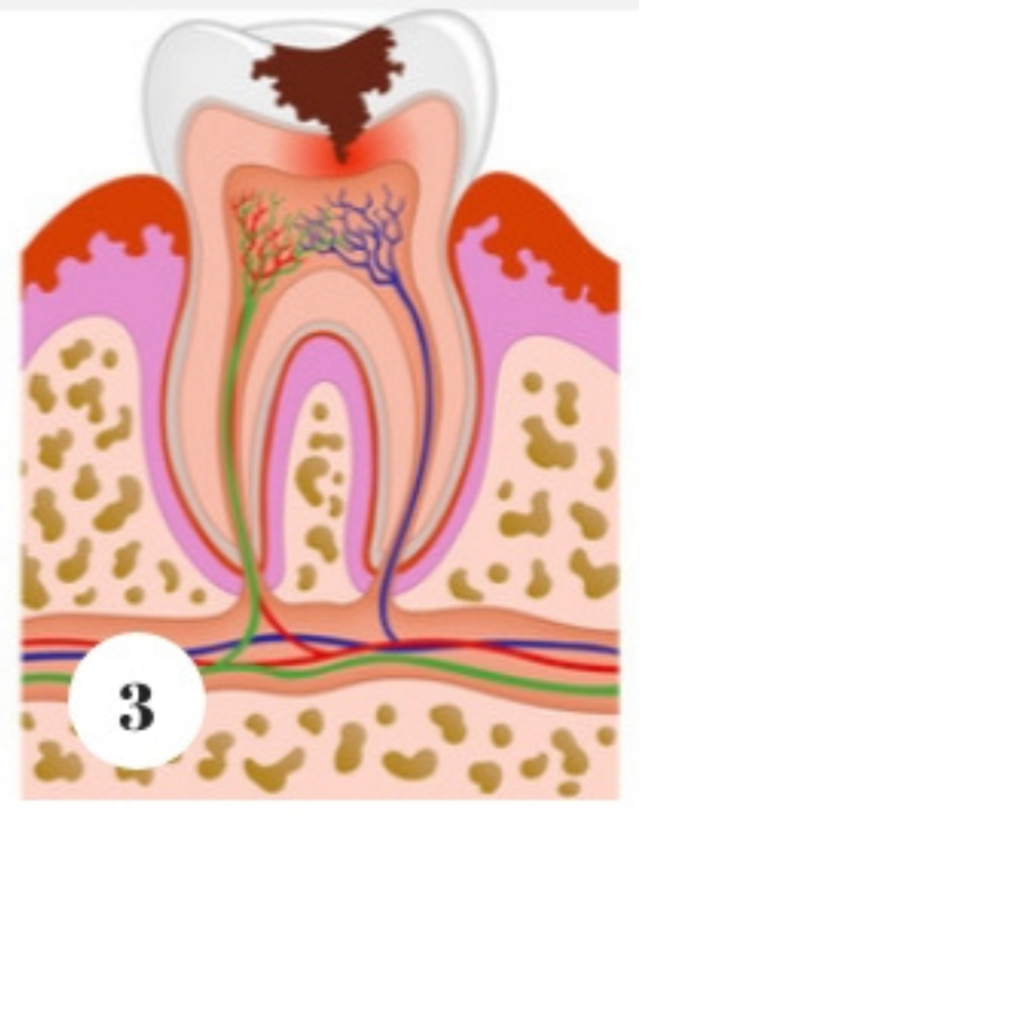
Stage 3: Dentine Decay

Once the decay reaches the dentine—the softer layer beneath the enamel. Stage Three comes with slight toothache or discomfort. At the very least, you will feel sensitive to hot and cold food and drinks. How much it hurts will depend on how far the decay has spread, and on your personal pain tolerance level.

Dentine is sponge-like and porous, allowing bacteria to spread quickly and easily. Treatment at this stage is much trickier; you must act fast.

Treatment:

  • A larger filling or potentially a crown or onlay may be required
  • Delaying treatment at this stage can lead to infection
stage 3 of tooth decay diagram

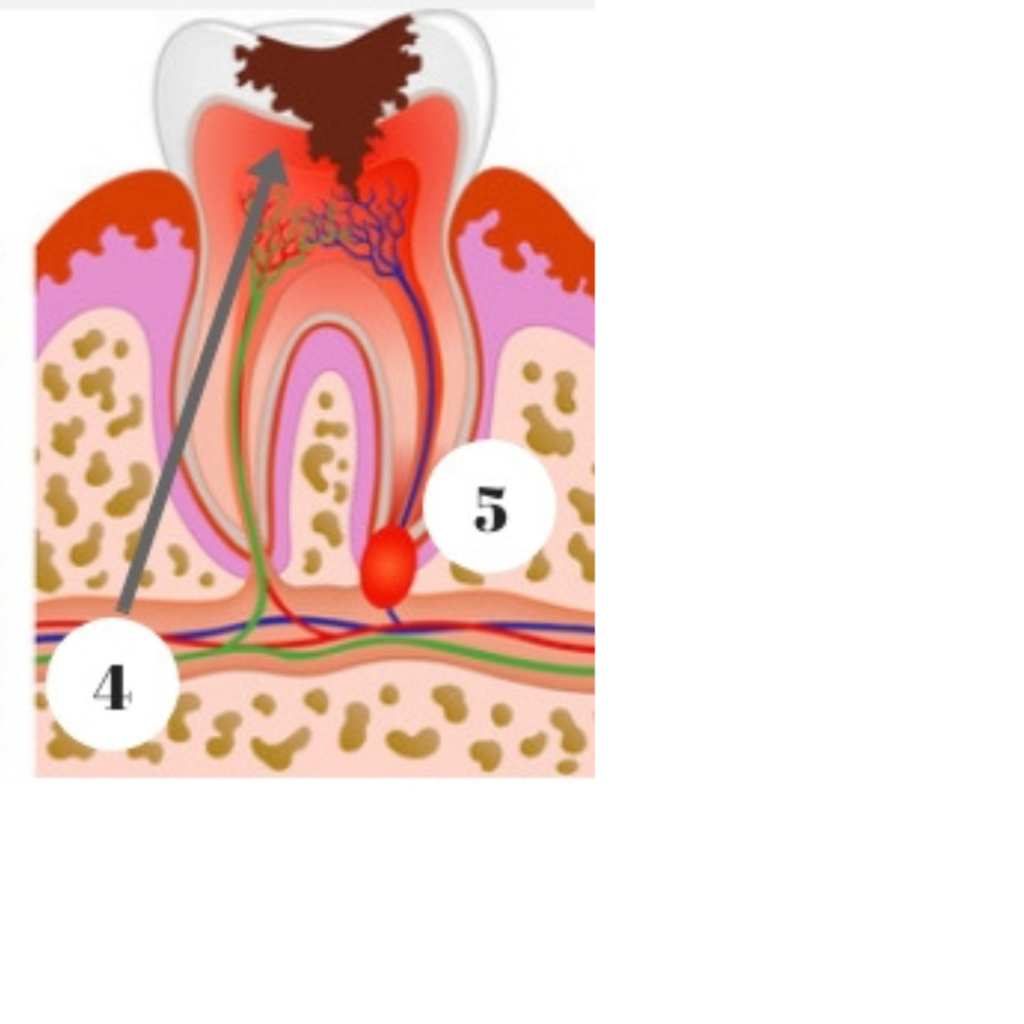
Stage 4: Pulp Damage

The pulp is the innermost part of your tooth, containing nerves and blood vessels. When decay reaches this area, it can lead to severe pain, swelling, and infection (abscess).

To stop your pain and clear the infection it is likely your dentist will perform a root canal treatment. This is an intricate procedure that involves drilling into the tooth and removing the infected pulp, then thoroughly cleaning the area and filling the canal in with a special material.

Treatment:

  • Root canal therapy is often necessary to remove the infected pulp
  • Antibiotics may be prescribed if an infection is present
stage 4 of tooth decay diagram

Stage 5: Tooth Loss or Extraction

When decay is left untreated for too long, the tooth may become so damaged it needs to be removed. This can lead to further complications, such as shifting teeth or bone loss in the jaw.

Treatment:

Prevention Is the Best Medicine

The good news is that tooth decay is highly preventable with routine care and lifestyle habits. At Modbury Dental Practice, we recommend:

  • Regular dental check-ups (every 6 months)
  • Hygienist Visits
  • Healthy diet low in sugar and acidic foods
  • Use of dental sealants for children and at-risk adults
  • Using a fluoride toothpaste daily
  • Interdental cleaning daily
  • Fluoride varnish application to children and at-risk adults
  • Custom advice based on your oral health history

Visit Modbury Dental Practice

Think you may have a cavity? We make sure to spot any potential problems early, saving you from needing costly and complex treatments down the track.

If you’re experiencing tooth pain or haven’t had a check-up in a while, don’t wait for the problem to worsen. Book an appointment with our friendly team today and take the first step toward a healthier smile.

Contact Us

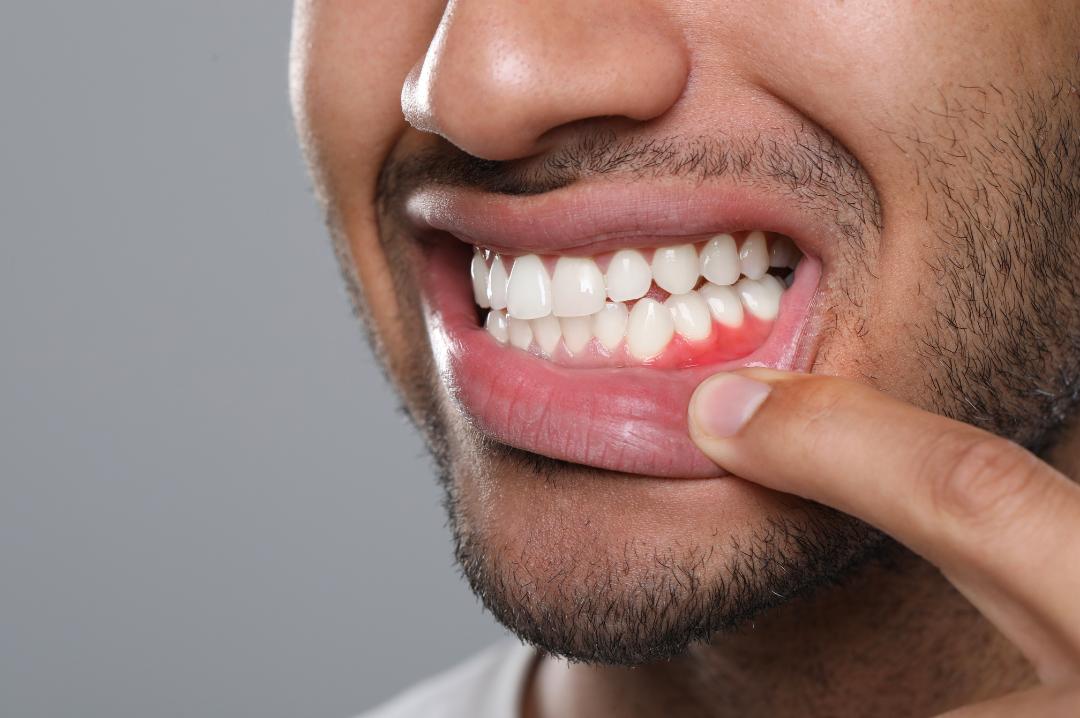
Understanding Gum Disease

Understanding gum disease is an important step toward protecting your oral health. Gum disease, also known as periodontal disease, is a common condition that affects the gums and supporting structures of the teeth.

sensitive teeth lady holding face

What to Do if You Break a Tooth

Breaking a tooth can be a painful and distressing experience. It might happen suddenly—while biting into something hard, playing sports, or due to an accident. Other times, it results from untreated decay that weakens the tooth structure. No matter the cause, acting quickly is key to saving the tooth and avoiding further complications.


Back to Blog

GET IN TOUCH

What do they say about Modbury Dental Practice?

“I needed a double extraction today and was super nervous. The dentist (Dr Vivek Giddani) was phenomenal. So patient and incredibly skilled, it was over in minutes. Chloe was absolutely lovely too, very caring....”

Tor

“I have been a patient for approximately 20 years at Modbury , always been happy with the practice . The new modernised decor looks beautiful and the whole place feels generally more up to...”

Sarah

“I’ve been using modbury dental service for five years plus and under the new ownership it is still an excellent service. All the staff are super A very relaxing atmosphere awaits anybody that is...”

Karl

“The Modbury team are brilliant. They always provide such friendly and personable service and have constantly put my health and care at the centre of their approach. Thank you.”

Andrew

“I've been using Modbury Dental Practice for 20+ years and have always been very happy. I had some trepidation when visiting it for the first time with the new owners which was totally put...”

Phil

“Excellent service staff are so friendly and welcoming nothing was to much trouble”

Victoria

“Brilliant practice! Visiting and working with the team is a highlight every time.”

SSD Group

  • 4 Broad St, Modbury
  • Ivybridge
  • PL21 0PS
[google-reviews-pro place_photo=https://maps.gstatic.com/mapfiles/place_api/icons/v1/png_71/generic_business-71.png place_name="Larkham House Dental Practice" place_id=ChIJBy8ytknsbEgRNL6r91kXIo0 auto_load=true rating_snippet=true sort=1 min_filter=4 hide_photo=true write_review=true view_mode=badge_left open_link=true nofollow_link=true]
Google Rating